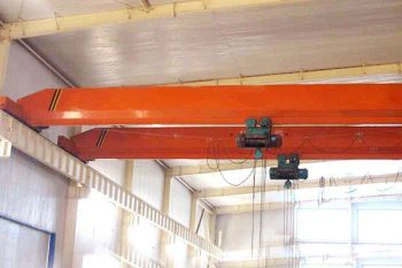


How To Maximize The Use Of Factory Height?
Leave a message
How to Maximize the Use of Factory Height? Design Advantages of Low-Headroom European-Style Hoists in Confined Spaces
In modern industrial production, the efficient use of factory height directly impacts productivity and the flexibility of equipment layout. Effectively utilizing vertical space is a crucial challenge, particularly in environments where space is limited. As a highly efficient lifting solution, the low-headroom European-style hoist leverages unique design advantages to maximize vertical space utilization within tight confines. Below are insights into the design advantages of these hoists and their application in restricted spaces.
Design Advantages of Low-Headroom European-Style Hoists
1. Compact Structure
Low-headroom European-style hoists typically feature a compact design, enabling higher lifting capacities within limited space. Compared to traditional lifting equipment, these hoists have a lower profile, allowing them to operate effectively where overhead clearance is minimal. This design ensures high performance even within the height constraints of a factory facility.
2. Enhanced Efficiency
In confined spaces, low-headroom European-style hoists can rapidly lift and move heavy loads, thereby reducing operation time and boosting productivity. Their flexible design allows operators to work efficiently in tight areas, eliminating the operational inconveniences often caused by space limitations.
3. High Safety Standards
Safety is a priority in the design of low-headroom European-style hoists; they are typically equipped with various safety features, such as overload protection and limit switches. These measures effectively prevent accidents during operation in confined spaces, ensuring the safety of personnel.
4. Strong Adaptability
Low-headroom European-style hoists are suitable for a wide range of industries and operating conditions, particularly in sectors requiring frequent heavy-load handling, such as manufacturing and warehousing/logistics. Their versatile design allows them to adapt to diverse working environments and meet the varied needs of customers.
How to Choose a Low-Headroom European-Style Hoist
When selecting a low-headroom European-style hoist, customers should consider the following factors:
1. Load Capacity
Selecting the appropriate load capacity based on actual lifting requirements is crucial. Insufficient load capacity may result in the equipment failing to meet production requirements, while excessive capacity can lead to unnecessary costs.
2. Installation Space
In confined spaces, both installation height and width must be considered. Ensure the equipment can be installed and operated smoothly within the designated area.
3. Certification Standards
Ensure the selected equipment complies with local safety and quality standards, such as CE and ISO certifications. This affects not only the equipment's safety but also its long-term operation and maintenance.
4. Supplier Reputation
Choosing a supplier with a strong reputation and good service ensures better support and reduces potential risks during future operations.
Common Selection Pitfalls
Customers often encounter certain misconceptions when selecting low-headroom European-style hoists:
Overlooking space constraints: Some customers fail to fully consider the height and width of their facility, rendering the equipment unusable.
Over-prioritizing load capacity: Some customers choose unsuitable equipment in pursuit of higher load capacities, resulting in increased costs.
Ignoring safety standards: Failing to check for safety certifications during selection can lead to safety hazards during operation.
FAQ
1. Which industries are low-headroom European-style hoists suitable for?
These hoists are widely used in manufacturing, warehousing and logistics, and construction, particularly in environments with limited space.
2. How should low-headroom European-style hoists be maintained?
Regularly inspect all components to ensure proper operation. Critical parts-such as the motor, chain, and safety devices-require periodic lubrication and replacement.
3. What is the service life of a low-headroom European-style hoist?
Service life depends on usage frequency and maintenance. Generally, proper maintenance can extend the equipment's lifespan, which typically ranges from 5 to 10 years.
4. How do I choose the right load capacity?
Select the appropriate load capacity based on actual lifting requirements and facility space constraints. Consulting a professional supplier is recommended for more accurate advice.
Based on the analysis above, the design advantages of low-headroom European-style hoists in confined spaces are evident. The proper selection and use of this equipment can effectively increase the vertical space utilization of the factory and optimize production efficiency.