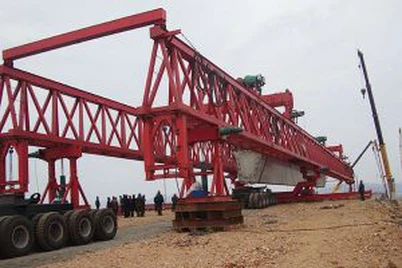


Selection Criteria For Rail-Guided And Trackless Electric Flatbed Carts
Leave a message
Selection Criteria for Rail-Guided vs. Trackless Electric Flatbed Carts
When selecting electric flatbed carts, procurement personnel often face a choice between rail-guided and trackless models. Both have distinct advantages and disadvantages, and each is suited to different operational environments. This article compares the two based on factors such as load capacity, stability, and flexibility. By considering variables like factory floor flatness, turning radius, and the frequency of route changes, you can make a more informed decision.
Pros and Cons of Rail-Guided Electric Flatbed Carts
High Load Capacity
Rail-guided electric flatbed carts are typically designed for heavy-duty transport, capable of carrying significant weight. Their rail systems provide superior support, distributing the load and reducing pressure on the floor. Consequently, they are the ideal choice for transporting heavy equipment or materials.
Stability on Long, Straight Paths
Rail-guided carts offer high stability on long, straight stretches, making them well-suited for long-distance transport. This stability ensures safety and reliability even when operating at higher speeds. However, this design also limits the vehicle's adaptability in complex environments.
Ideal Use Cases
Rail-guided carts are best suited for environments with level flooring and relatively fixed transport routes-for example, along factory production lines or within warehouses for cargo handling.
Advantages and Limitations of Trackless Electric Flatbed Carts
Flexible Maneuverability
The primary advantage of trackless electric flatbed carts is their flexibility. Since they do not rely on rails, they can travel anywhere, easily adapting to various transport routes. This is particularly valuable in settings where transport paths need to be changed frequently.
No Need for Rail Installation
Another significant benefit is the elimination of the costs and time associated with laying tracks. For temporary projects or operations subject to frequent changes, this can substantially reduce both initial investment and the complexity of long-term maintenance.
Ideal Use Cases
Trackless electric flatbed carts are well-suited for environments with uneven flooring, or for operations that require frequent turning and route adjustments-such as on construction sites or in temporary storage facilities. H2: Selection Matrix: How to Make a Decision
When choosing between rail-guided and trackless electric transfer carts, consider the following key factors:
Floor Evenness
High evenness: Rail-guided electric transfer carts are recommended, as they perform better on smooth, level surfaces.
Low evenness: Trackless electric transfer carts are more suitable, as they can adapt to uneven ground.
Turning Radius
Large turning radius: Rail-guided electric transfer carts excel on long, straight paths and are well-suited for operations in large spaces.
Small turning radius: Trackless electric transfer carts offer greater flexibility in confined areas, making them ideal for complex transport routes.
Frequency of Route Changes
Fixed routes: Rail-guided electric transfer carts are more efficient and better suited for highly repetitive transport tasks.
Frequent changes: Trackless electric transfer carts offer greater flexibility, making them ideal for scenarios that require frequent adjustments to transport routes.
FAQ
Q1: Are the maintenance costs for rail-guided electric transfer carts high?
Maintenance costs for rail-guided electric transfer carts are relatively high, primarily due to the need for track maintenance and replacement. Regular inspections for track wear are essential to ensure safety and stability.
Q2: What is the battery life (range) of trackless electric transfer carts?
The battery life of a trackless electric transfer cart generally depends on the load and frequency of use. Proper usage and regular charging can help extend the battery's service life.
Q3: Is the steering system of a trackless electric transfer cart complex?
The steering system of a trackless electric transfer cart is relatively simple; it typically utilizes electric drive and intelligent control, making it easy to operate and maintain.