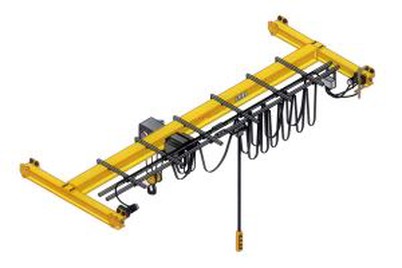


What Is A Electric Winch Machine?
Leave a message
What is a winch?
A winch is a mechanical device used for lifting and moving heavy loads; it is widely used in construction, mining, marine operations, and other industrial sectors. Its basic operating principle involves winding a rope or chain to lift or move heavy objects. Winch designs and functions vary according to specific application needs, with the two most common types being electric winches and manual winches.
Basic structure of a winch
The main components of a winch include:
Drum: Used to wind the rope or chain; typically made of steel, offering high strength and wear resistance.
Motor or manual mechanism: Electric winches are equipped with a motor for rapid lifting, while manual winches rely on human effort and are suitable for smaller-scale or temporary tasks.
Braking system: Ensures safety during lifting or moving operations by preventing accidental slippage.
Mounting frame: Provides stable support, ensuring the safety and reliability of the winch during operation.
How a winch works
The working principle of a winch is relatively simple. A motor or manual mechanism drives the drum to wind or unwind the rope or chain, thereby lifting or moving the load. Electric winches are often equipped with control systems that allow for remote operation, enhancing work efficiency.
Winch application scenarios
Winches have a wide range of applications, primarily including:
Construction sites: Used for lifting construction materials such as rebar and precast concrete components.
Mining: Used in mines to hoist ore or equipment, ensuring operational safety and efficiency.
Marine operations: Used for anchoring, towing, and cargo loading/unloading.
Logistics: Used in warehouses and distribution centers to assist in moving heavy loads and improving operational efficiency.
Common mistakes in winch selection
Common errors when selecting a winch include:
Ignoring load capacity: One must consider the load capacity to ensure the winch meets actual operational requirements.
Overlooking the working environment: Different environments (e.g., high humidity, extreme temperatures) impose specific requirements on winch materials and design.
Failing to assess power requirements: Electric winches require a stable power supply; neglecting this factor can result in equipment malfunction.
Reasons for price differences
Winch price variations are primarily influenced by the following factors:
Brand and manufacturer: Well-known brands often command higher prices but offer greater assurance regarding quality and after-sales service. Materials and Manufacturing: High-strength materials and advanced manufacturing processes increase costs.
Features and Specifications: Additional features (such as remote control operation, automatic braking, etc.) raise the price of the winch.
Common Pitfalls for Customers
When purchasing a winch, customers often encounter the following pitfalls:
Failing to conduct adequate market research: Not comparing different brands and models to understand their performance and pricing.
Overlooking after-sales service: Choosing a supplier without reliable after-sales support can lead to difficulties if equipment issues arise.
Ignoring long-term costs: Failing to consider maintenance and operating costs in addition to the initial purchase price.
Conclusion
As an important piece of lifting equipment, the winch plays a critical role across various industries. Understanding its basic construction, working principles, and application scenarios helps in making informed purchasing decisions. Be sure to avoid common selection errors and pitfalls to ensure you choose a winch that meets your specific needs.
FAQ
1. How is a winch's load capacity calculated?
Load capacity is typically specified by the manufacturer; calculations take into account the winch's design parameters and the operating environment. Ensure the selected winch can handle the maximum load encountered during actual operations.
2. What is the difference between an electric winch and a manual winch?
Electric winches are powered by electricity and are suitable for large-scale, high-frequency operations, whereas manual winches rely on human effort and are suited for smaller-scale or occasional tasks.
3. How can I maintain a winch to extend its service life?
Regularly inspect all components, keep the unit clean, lubricate moving parts promptly, and ensure the braking system is functioning correctly.
4. What safety precautions should be taken when using a winch?
Ensure the load is evenly distributed, avoid overloading, inspect the equipment regularly, and ensure operators are properly trained.